


Introduction
Ecaudor If you have searched for the keyword ecaudor, you are most likely looking for information about Ecuador, one of South America’s most fascinating countries. Although the keyword is often misspelled, the destination itself is famous for its incredible biodiversity, welcoming people, rich history, and unforgettable landscapes.
Located on the western coast of South America, Ecuador may be one of the continent’s smaller countries, but it offers an impressive variety of experiences. From the breathtaking Andes Mountains to the lush Amazon Rainforest and the world-famous Galápagos Islands, Ecuador has something for every type of traveler.
Whether you are planning a vacation, conducting research, or simply curious about this remarkable country, this guide covers everything you need to know. You’ll discover Ecuador’s history, geography, culture, cuisine, tourist attractions, and why it continues to attract visitors from around the globe.
Where Is Ecuador Located?
Ecuador is situated along the Pacific Ocean on the northwestern side of South America. It shares borders with Colombia to the north and Peru to the east and south. Its strategic location along the equator is actually where the country gets its name.
Despite covering a relatively small land area, Ecuador is one of the world’s most geographically diverse countries. Travelers can experience snowy mountain peaks, tropical beaches, cloud forests, volcanoes, and dense rainforests—all within a day’s journey.
The country’s capital city, Quito, sits high in the Andes Mountains at an elevation of over 2,800 meters above sea level. Quito is known for its remarkably preserved colonial architecture and has earned recognition as one of the first UNESCO World Heritage Sites.
The Rich History of Ecuador
Ecuador has a long and fascinating history that dates back thousands of years before European explorers arrived. Various indigenous civilizations flourished throughout the region, developing advanced agricultural techniques, trade networks, and unique cultural traditions.
During the sixteenth century, the Spanish Empire conquered Ecuador, introducing European customs, language, and religion. Spanish colonial influence remains visible today in the country’s architecture, churches, and cultural celebrations.
Ecuador gained its independence in 1822 following the Battle of Pichincha. Since then, the country has grown into a democratic republic while maintaining strong connections to its indigenous heritage. This blend of ancient traditions and modern development makes Ecuador culturally unique.
Ecuador’s Incredible Natural Beauty
Nature lovers often describe Ecuador as one of the most beautiful countries in the world. Although it occupies less than one percent of the Earth’s surface, it contains an extraordinary percentage of the world’s biodiversity.
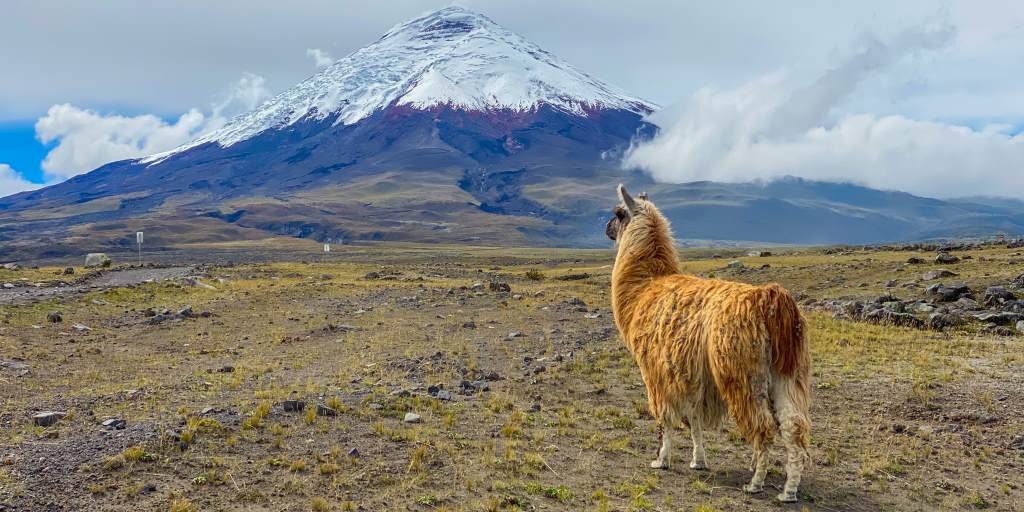
The Andes Mountains divide the country into distinct regions, each offering different climates and ecosystems. Visitors can hike volcanoes, explore waterfalls, admire alpine lakes, or enjoy spectacular mountain scenery.
The Amazon Rainforest in eastern Ecuador provides opportunities to encounter exotic wildlife including monkeys, colorful birds, reptiles, and countless plant species. Guided rainforest tours allow visitors to experience one of the planet’s richest ecosystems responsibly.
The Famous Galápagos Islands
One of Ecuador’s greatest treasures is the Galápagos Islands, located approximately 1,000 kilometers off the mainland. These volcanic islands became internationally famous because of their unique wildlife and their influence on Charles Darwin’s theory of evolution.
Animals living on the islands often show little fear of humans, allowing visitors to observe giant tortoises, marine iguanas, blue-footed boobies, sea lions, and penguins up close.
Strict conservation efforts help preserve the islands’ fragile ecosystem. Sustainable tourism ensures that future generations will continue to enjoy this extraordinary natural wonder.
Ecuadorian Culture and Traditions
Ecuador’s culture reflects centuries of indigenous heritage combined with Spanish colonial influence. Music, dance, colorful festivals, and traditional clothing continue to play important roles in everyday life.
Family is central to Ecuadorian society. Communities value hospitality, respect, and strong family relationships. Visitors often comment on the friendliness and warmth of local residents.
Traditional festivals take place throughout the year, celebrating religious holidays, historical events, and agricultural traditions. These celebrations often feature live music, dancing, local food, and handcrafted decorations.
Traditional Ecuadorian Food
Food is an important part of Ecuadorian culture, with each region offering its own specialties. Fresh ingredients, local produce, seafood, and hearty soups are common throughout the country.
Popular dishes include ceviche, locro de papa (potato soup), empanadas, roasted meats, and hornado. Coastal areas specialize in seafood while mountainous regions focus on potatoes, corn, and meat dishes.
Fresh tropical fruits are available year-round. Visitors can enjoy mangoes, bananas, passion fruit, papaya, and countless other fruits that thrive in Ecuador’s diverse climates.
Best Places to Visit in Ecuador
Ecuador offers countless destinations for travelers seeking adventure, culture, or relaxation. Quito attracts history enthusiasts with its colonial architecture and museums.
The city of Cuenca is another UNESCO World Heritage Site known for its charming streets, historic churches, and thriving arts scene. Many retirees also choose Cuenca because of its comfortable lifestyle.
Adventure seekers often visit Baños, where activities include hiking, zip-lining, canyoning, and exploring waterfalls. Meanwhile, beach lovers can relax along Ecuador’s beautiful Pacific coastline.
Wildlife and Biodiversity
Ecuador is considered one of the world’s biodiversity hotspots. Scientists have identified thousands of species of birds, mammals, amphibians, reptiles, insects, and plants throughout the country.
Birdwatchers particularly appreciate Ecuador because it hosts more than 1,600 bird species. Cloud forests provide habitats for hummingbirds, toucans, parrots, and the magnificent Andean condor.
Conservation organizations continue working to protect Ecuador’s unique ecosystems through national parks, wildlife reserves, and sustainable tourism initiatives.
Why Ecuador Should Be on Your Travel List
Ecuador offers remarkable value for travelers looking to experience diverse landscapes without traveling across an entire continent. Within a relatively short distance, visitors can explore beaches, mountains, jungles, and islands.
The country’s affordable accommodations, delicious cuisine, welcoming people, and excellent adventure opportunities make it an attractive destination for solo travelers, couples, and families alike.
Whether your interests include wildlife photography, hiking, cultural experiences, history, or simply relaxing in beautiful surroundings, Ecuador provides unforgettable memories that last a lifetime.
Conclusion
Although many people search using the keyword ecaudor, the correct spelling is Ecuador. Regardless of the spelling, the country remains one of South America’s most captivating destinations. Its stunning natural landscapes, fascinating history, diverse wildlife, vibrant culture, and friendly people make it a place worth exploring.
From the breathtaking Galápagos Islands to the towering Andes Mountains and the lush Amazon Rainforest, Ecuador offers experiences that few countries can match. Whether you are planning your next adventure or simply expanding your knowledge, Ecuador deserves a place on your travel bucket list.
You May Also Read: Fawanews SC