


Introduction
cleaning glasses Whether you wear prescription glasses, reading glasses, or sunglasses, clean lenses make a huge difference in how well you see the world. Smudges, fingerprints, dust, and tiny particles can reduce visibility and even cause eye strain when left on your lenses for too long. While many people quickly wipe their glasses on a shirt or tissue, these habits can actually damage the lenses over time.
Cleaning glasses properly is about much more than making them look good. It helps protect expensive lens coatings, improves your vision, and extends the lifespan of your eyewear. With the right cleaning techniques and a few simple habits, you can keep your glasses looking as good as new every day.
In this guide, you’ll learn the safest and most effective ways to clean glasses, the mistakes to avoid, and practical maintenance tips recommended by eyewear professionals.
Why Cleaning Glasses Is Important
Clean glasses are essential for clear vision. Even a small amount of dust or fingerprints can scatter light and make it harder to focus, especially when driving at night or working in bright environments. Keeping your lenses spotless allows your eyes to work naturally without unnecessary strain.
Cleaning Glasses Another important reason for cleaning glasses regularly is hygiene. Your glasses come into contact with your face all day long, collecting natural skin oils, sweat, dust, makeup, and environmental pollutants. Regular cleaning helps remove these substances and keeps your eyewear feeling fresh and comfortable.
Proper cleaning also protects your investment. Modern lenses often include anti-reflective, blue-light filtering, UV-protective, and scratch-resistant coatings. These coatings improve your visual experience but require gentle care. Using the correct cleaning methods helps preserve these coatings for years.
The Best Way to Clean Glasses
The safest method starts by washing your hands thoroughly with soap and water. Clean hands prevent dirt and oils from transferring onto the lenses while you’re cleaning them. Dry your hands with a lint-free towel before touching your glasses.
Next, rinse your glasses under lukewarm running water. This simple step removes dust and tiny particles that could scratch the lenses during wiping. Never use hot water because excessive heat may damage certain lens coatings or warp plastic frames.
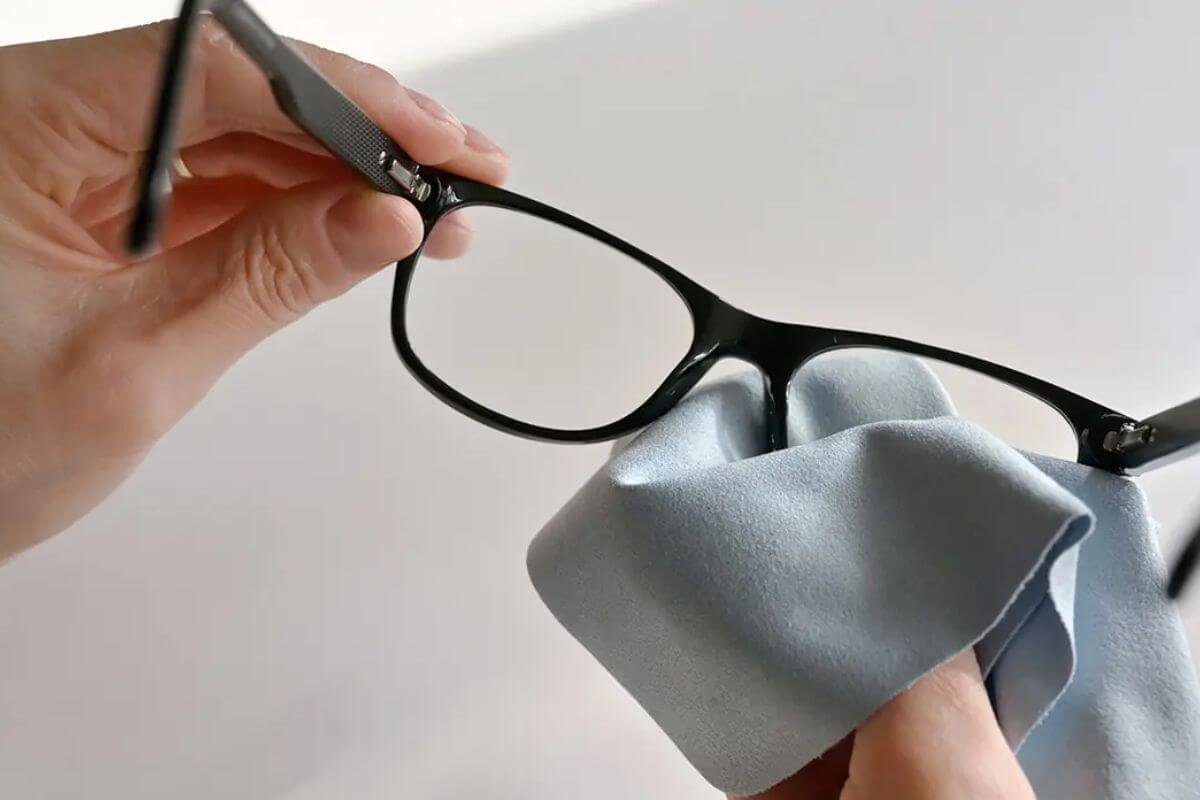
Apply a small drop of lotion-free dish soap to both sides of the lenses and gently clean the entire frame, including the nose pads and temples. Rinse thoroughly until all soap residue disappears. Finally, dry the glasses with a clean microfiber cloth designed specifically for eyewear. This method leaves lenses clear without causing scratches.
Common Mistakes People Make When Cleaning Glasses
One of the biggest mistakes is wiping dry lenses with a shirt, paper towel, or tissue. While these materials seem soft, they often contain fibers that can create tiny scratches on the lens surface over time. Those scratches gradually reduce lens clarity and cannot be removed.
Another common mistake is using household glass cleaners. Products made for windows or mirrors often contain ammonia or harsh chemicals that may damage special lens coatings. Eyeglass lenses require cleaners specifically designed for optical use or mild dish soap.
Many people also forget to clean the frames. Oil, dust, and bacteria build up around the nose pads, hinges, and temples. Ignoring these areas can make glasses uncomfortable and even contribute to skin irritation. Cleaning the entire pair—not just the lenses—helps maintain both comfort and appearance.
Choosing the Right Cleaning Products
A quality microfiber cloth is one of the best investments for anyone who wears glasses. Unlike ordinary fabrics, microfiber lifts away oils and dust without scratching delicate lens surfaces. Wash the cloth regularly using mild detergent and avoid fabric softener, which can reduce its effectiveness.
Lens cleaning sprays made specifically for eyeglasses are another excellent choice. These sprays safely dissolve fingerprints and oils while protecting specialized coatings. They’re especially convenient when you’re away from home and need a quick clean.
If you don’t have lens cleaner available, a gentle lotion-free dish soap and lukewarm water remain one of the safest and most effective cleaning solutions. Avoid alcohol-based products unless your lens manufacturer specifically recommends them.
How to Keep Your Glasses Clean Longer
Preventing dirt buildup is easier than constantly cleaning your glasses. Always hold your glasses by the frame instead of touching the lenses. This simple habit significantly reduces fingerprints throughout the day.
Store your glasses in a protective hard case whenever you’re not wearing them. Leaving glasses on tables, in bags, or inside a vehicle exposes them to dust, scratches, and accidental damage. A case offers excellent protection while keeping the lenses cleaner.
Cleaning your glasses daily also prevents stubborn buildup. A quick rinse and wipe each morning or evening takes only a minute and helps maintain consistently clear vision. Regular maintenance is much easier than trying to remove heavy layers of grime later.
Special Care for Different Types of Lenses
Prescription glasses often include premium coatings that improve comfort and visual clarity. These coatings deserve gentle handling, so always follow the cleaning recommendations provided by your optician or lens manufacturer.
Blue-light blocking glasses have become increasingly popular among people who spend long hours using computers and smartphones. Although they clean similarly to standard lenses, it’s still important to avoid abrasive materials that could reduce the effectiveness of the coating.
Polarized sunglasses also benefit from proper maintenance. Saltwater, sunscreen, sand, and sweat can leave stubborn residue on the lenses after outdoor activities. Rinsing them with fresh water before cleaning helps remove abrasive particles safely.
When You Should Replace Your Glasses
Even with excellent care, glasses won’t last forever. Deep scratches, peeling coatings, bent frames, or loose hinges can affect both comfort and vision. If cleaning no longer restores clear visibility, it may be time for a replacement.
Prescription changes are another reason to update your eyewear. If you notice headaches, blurred vision, or eye fatigue despite clean lenses, schedule an eye examination to ensure your prescription is still accurate.
Regular inspections also help identify small issues before they become expensive repairs. Tightening screws, replacing nose pads, or adjusting the frame can significantly extend the life of your favorite glasses.
Frequently Asked Questions About Cleaning Glasses
Many people ask how often glasses should be cleaned. For most users, a daily cleaning routine is ideal. Those working in dusty environments or wearing glasses during sports may need to clean them more frequently.
Another common question is whether alcohol wipes are safe. While some optical manufacturers approve certain alcohol-based products, others recommend avoiding them because they may damage specialized coatings. Always check the care instructions for your lenses before using chemical cleaners.
People also wonder if breathing on lenses before wiping them is effective. While this may remove light smudges temporarily, it doesn’t eliminate oils, bacteria, or dirt. Proper washing with water and mild soap provides much better results.
Conclusion
Cleaning glasses is a simple habit that delivers lasting benefits. Clear lenses improve your vision, reduce eye strain, protect expensive coatings, and help your eyewear last much longer. Using the right cleaning techniques takes only a few minutes but can save you from unnecessary scratches and costly replacements.
The safest approach is straightforward: rinse your glasses with lukewarm water, clean them using a small amount of lotion-free dish soap, and dry them with a clean microfiber cloth. Avoid harsh chemicals, paper products, and dry wiping to preserve the quality of your lenses.
By making proper glasses care part of your daily routine, you’ll enjoy sharper vision, greater comfort, and eyewear that continues to perform at its best for years to come. Small daily habits truly make a big difference when it comes to keeping your glasses crystal clear.